

Red Lodge Clay Center – Short-Term Resident (ASPN) 2026
Theodore Fuller is a current undergraduate and senior at Southern Illinois University in Edwardsville, IL, working on his BFA with a focus in ceramics. He was born and raised in nearby Collinsville, IL, and found his love of art through the helpful hand of his uncle, as well as heavy encouragement from his parents. he started out self-taught and then continued to pursue art in high school and college.
In the fall of 2021, Theodore began his higher education at SIUE. He found ceramics and realized it was exactly where he needed to be. After his first ceramics course at the university, he began to participate in the Wagner-Potters Association and has been involved in the club for two years. The club has provided many opportunities for professional development, such as navigating sales, and collaborating with the SIUE clay community to raise funds.
His artwork has been selected for local art shows as well as earning the Wagner-Potters Association award in 2024 for ceramics. Attending SIUE allowed him to work closely with Mike Stumbras as an Undergraduate Research and Creatives Activity Assistant for a year. This assistantship has provided him with the invaluable experience of developing greater knowledge of the medium, critical problem solving, working closely with a mentor, and strengthening his professional skills. He was additionally given the opportunity to work for the university as a clay mixer for a year. Throughout college Theodore has most commonly held a job as a barista, enjoying the fast-paced nature, community, and delicious coffee.
Theodore had a traditional Christianity-based upbringing that led him to question these structures as he grew into adulthood. Many of these values have shaped who he is while providing him with many contradictions and challenges. It made his discovery of his identity as a queer person and transgender man a difficult thing to accept. These things have served as inspiration for his current body of ceramic sculptures.
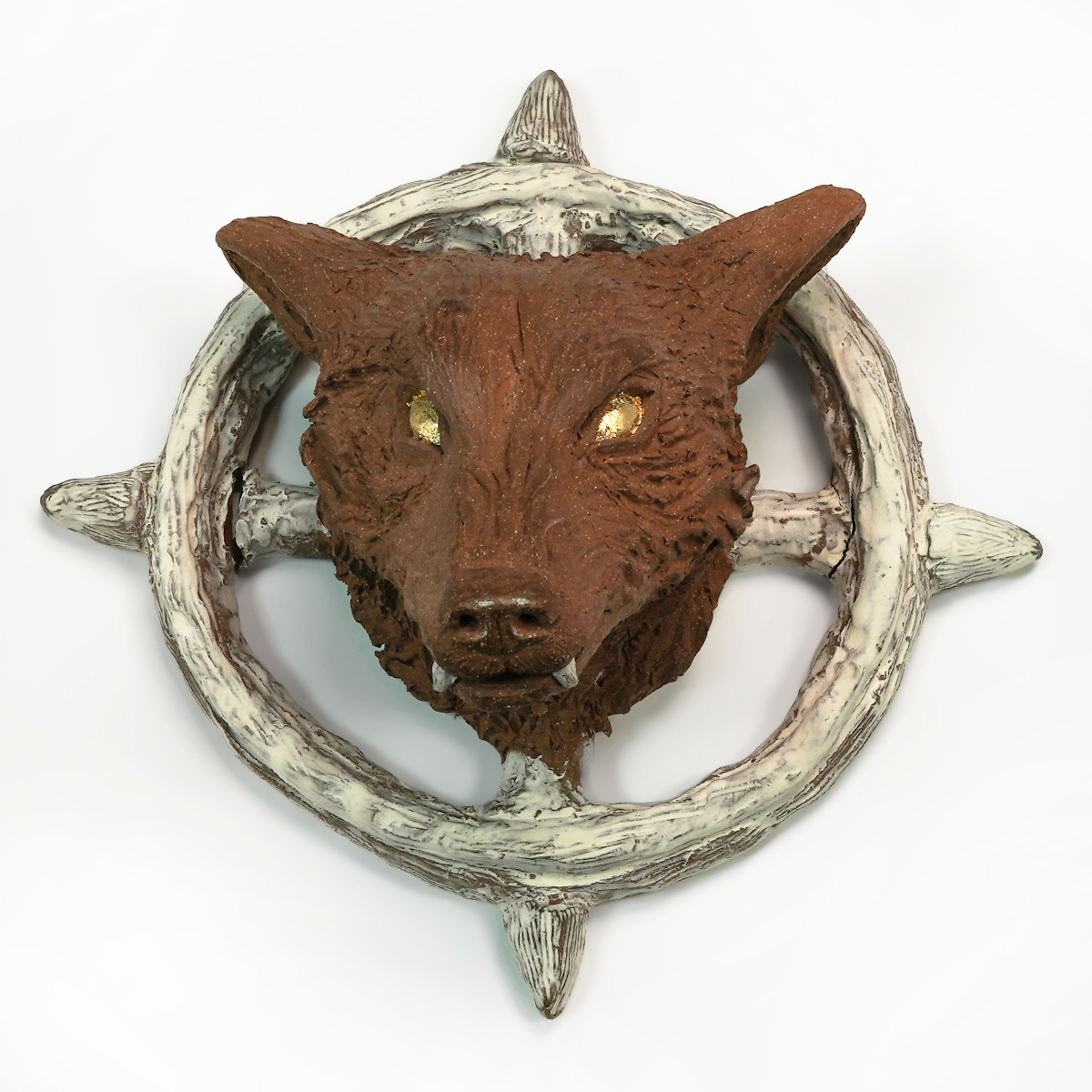
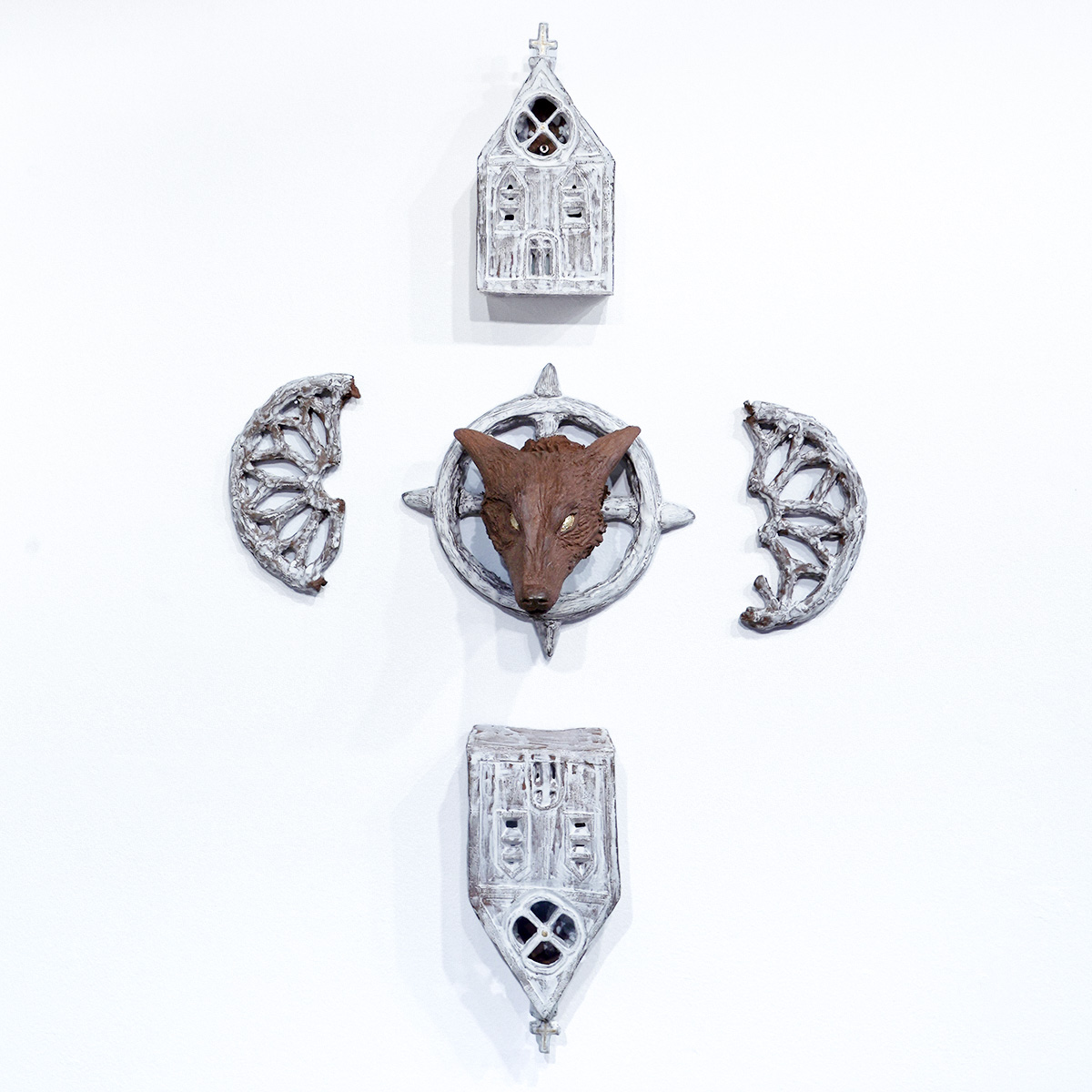
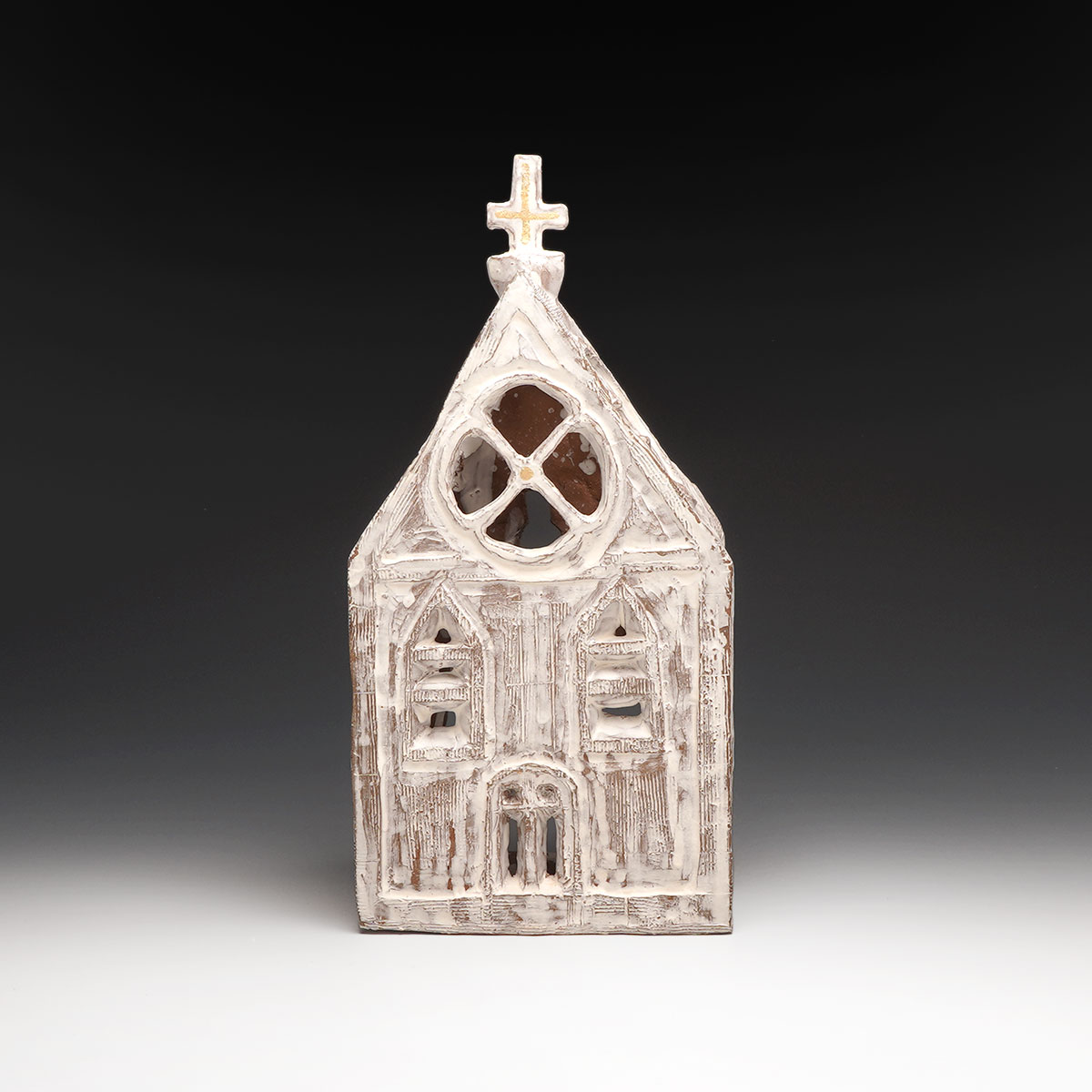
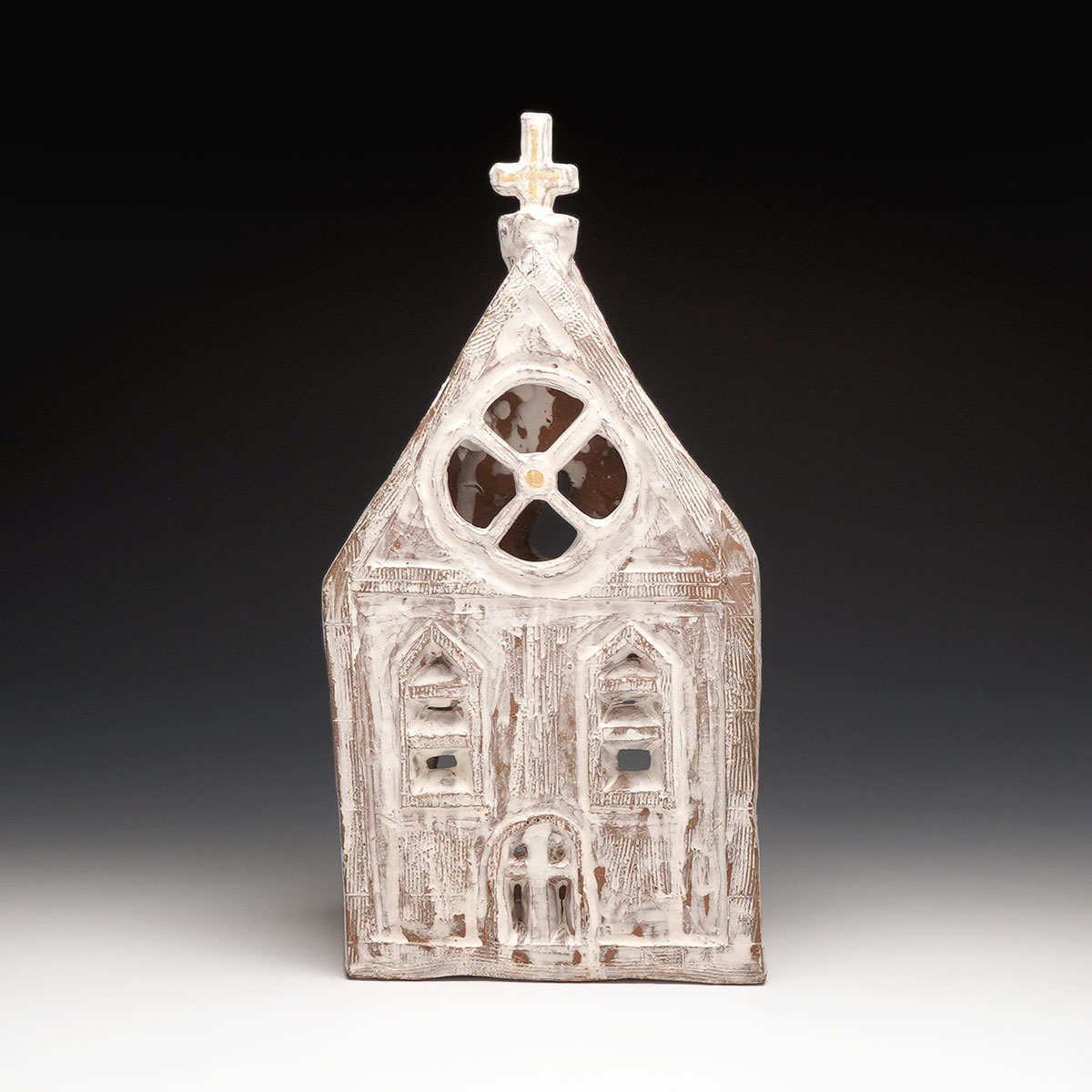
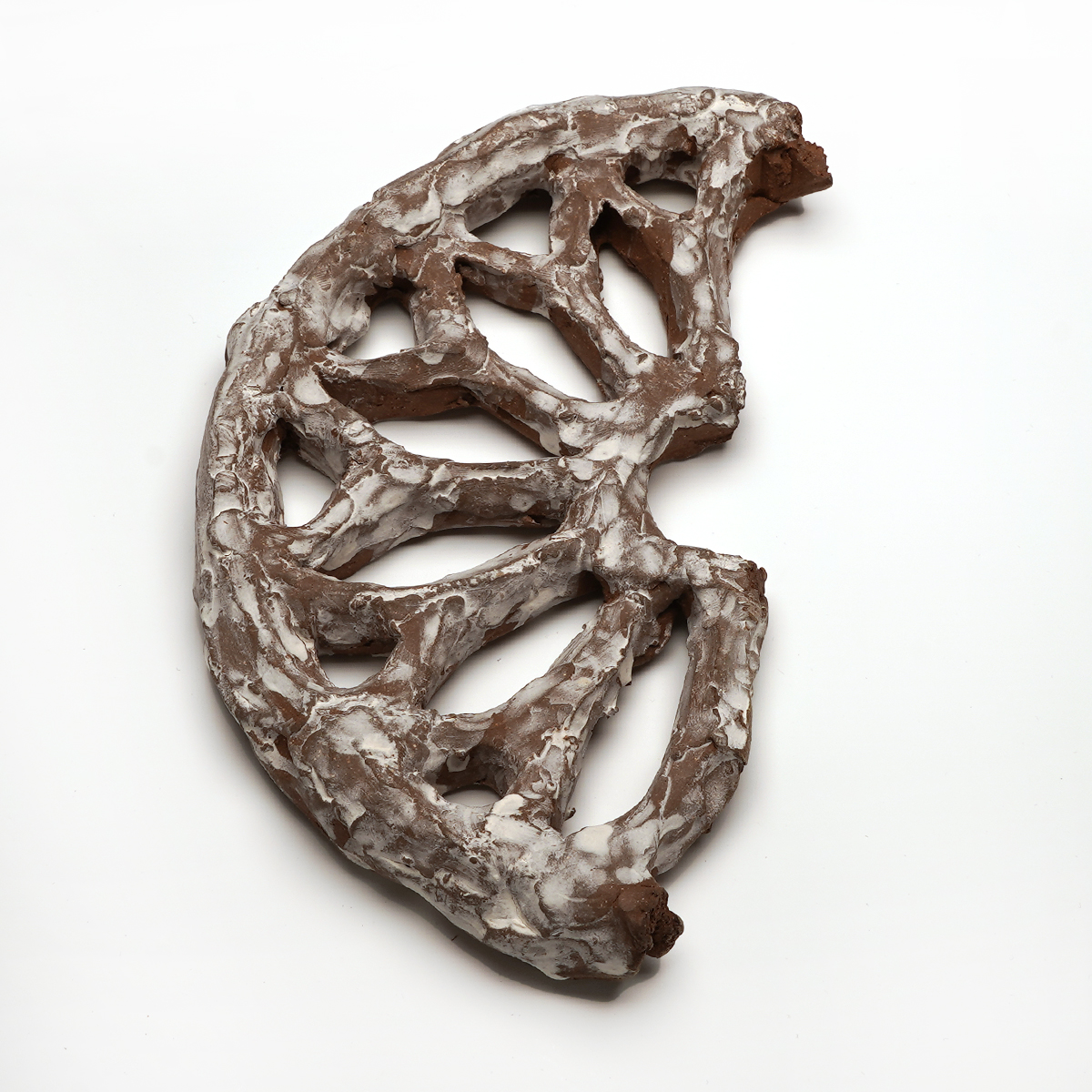
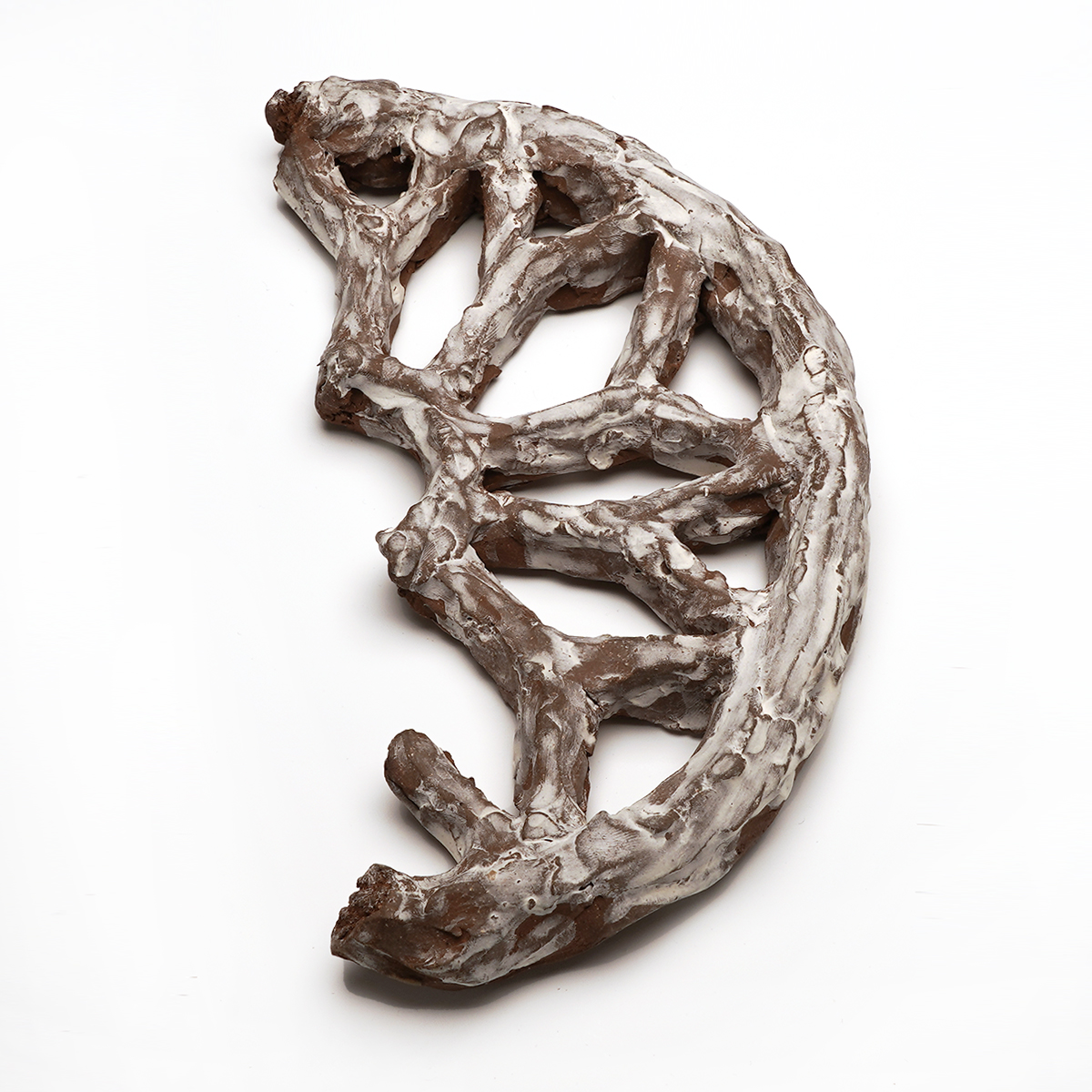
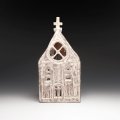
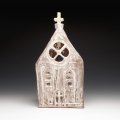
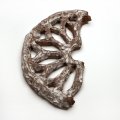
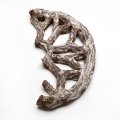
This ceramic work explores the connections between humanity, nature, and religion. Using religious images and clay, it looks at how morality, power, and identity are formed, especially through ideas of good and sin. The work questions what it means to “be good” or “be sinful” and examines how these ideas can distort real-life experiences or reinforce systems of control. Stories and characters often seen as villains, such as Cain, Judas, and Satan, serve as important references. They reveal moral ambiguity when viewed through empathetic perspectives.
Queerness plays a key role in this exploration, presented as sacred and powerful even through religious contexts often depict it as unholy or impure. Themes of religious shame and the fear of moral failure run through the work. Visually and thematically, the clay sculptures draw from Southern Gothic religious imagery and the crumbling intricacy of Gothic architecture, reflecting decay, loss, and change. This fading authority mirrors a distrust of modern Christianity, highlighting belief as unstable and fragile. Animal symbolism forms a main narrative structure. Animals are seen as emotional equals rather than moral symbols. The coyote, taken from Indigenous and folkloric traditions as a trickster and creator, occupies a space between the sacred and profane, the human and the animal, care and cruelty. The canid serves as both a stand-in and a witness, carrying stories of LGBTQ+ identity, family conflict, and abandonment, especially the experience of loving someone who chooses addiction over connection. Their return to the earth through death offers a model for spirituality based on reciprocity instead of hierarchy, contrasting with a Baptist upbringing and a rejection of those beliefs.
Ultimately, this body of work is concerned with questioning inherited beliefs and reimagining old stories to create space for new meanings. I want to hold space for contradiction and tenderness at once, telling stories that reflect the messy, unresolved nature of identity, belief, and spirituality.