







Gregg Moore is an artist, educator, and researcher whose work explores the intersection of art, agriculture, cuisine, and environmental science. Working primarily in ceramics, he combines traditional techniques with ecological and cultural inquiry, often collaborating with chefs, scientists, and artists to expand the role of craft in contemporary discourse. Moore is Professor of Visual and Performing Art and Director of Ceramics at Arcadia University.
His long-standing collaboration with chef Dan Barber at Blue Hill at Stone Barns produces tableware rooted in regenerative agriculture. A recipient of the 2019 Stone Barns Fellowship and the 2017 Center for Craft Materials-Based Research Grant, Moore holds a B.A. from Skidmore College and an M.F.A. from the New York State College of Ceramics at Alfred University.
To even the most casual observer, the parallels between ceramics and cooking—and between potter and chef—are abundant: shared processes of forming, the use of kilns and ovens, and the transformative power of heat and fire. My practice investigates deeper relationships between these two crafts, creating objects that reflect the historical and ongoing co-evolution of ceramics and cuisine.
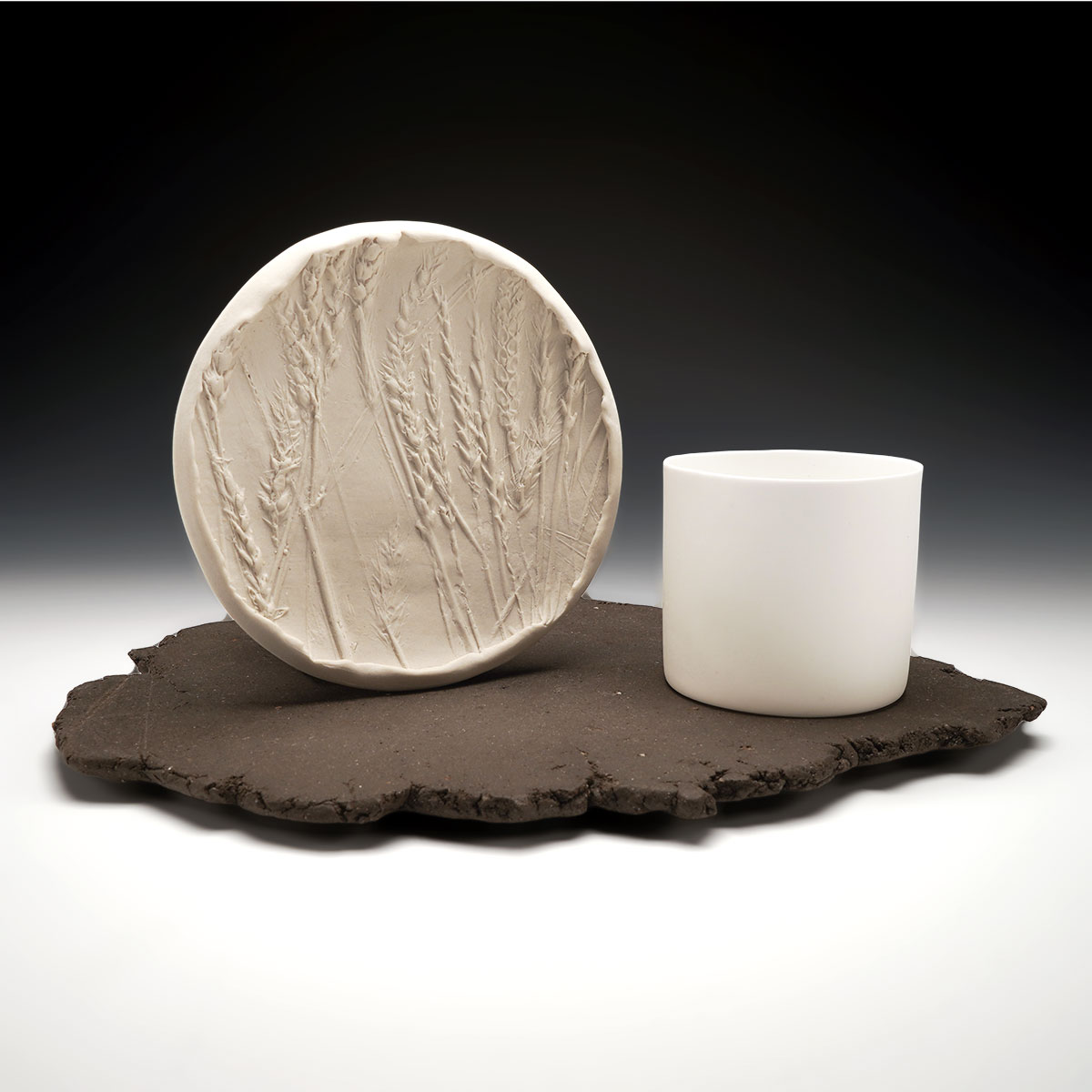
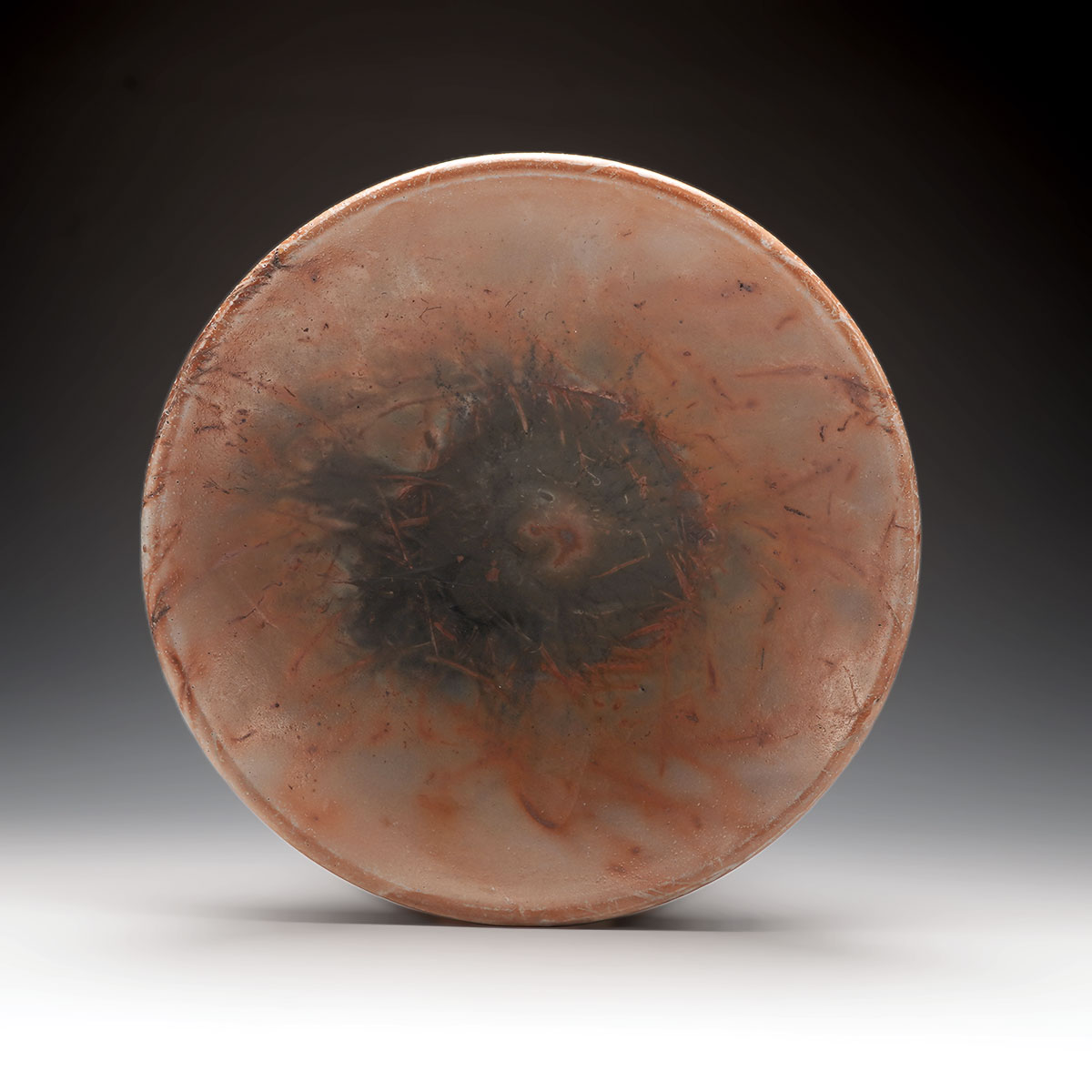
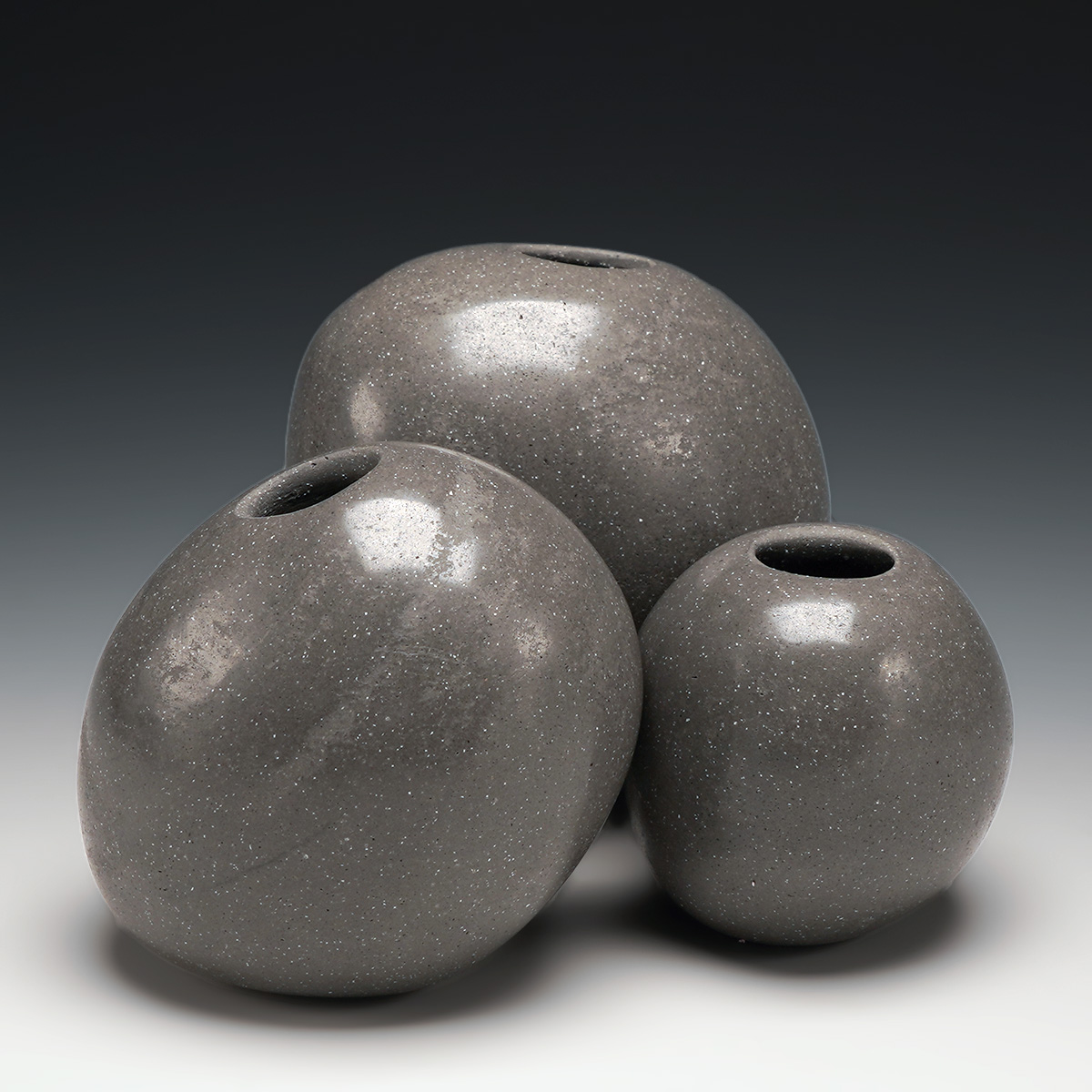
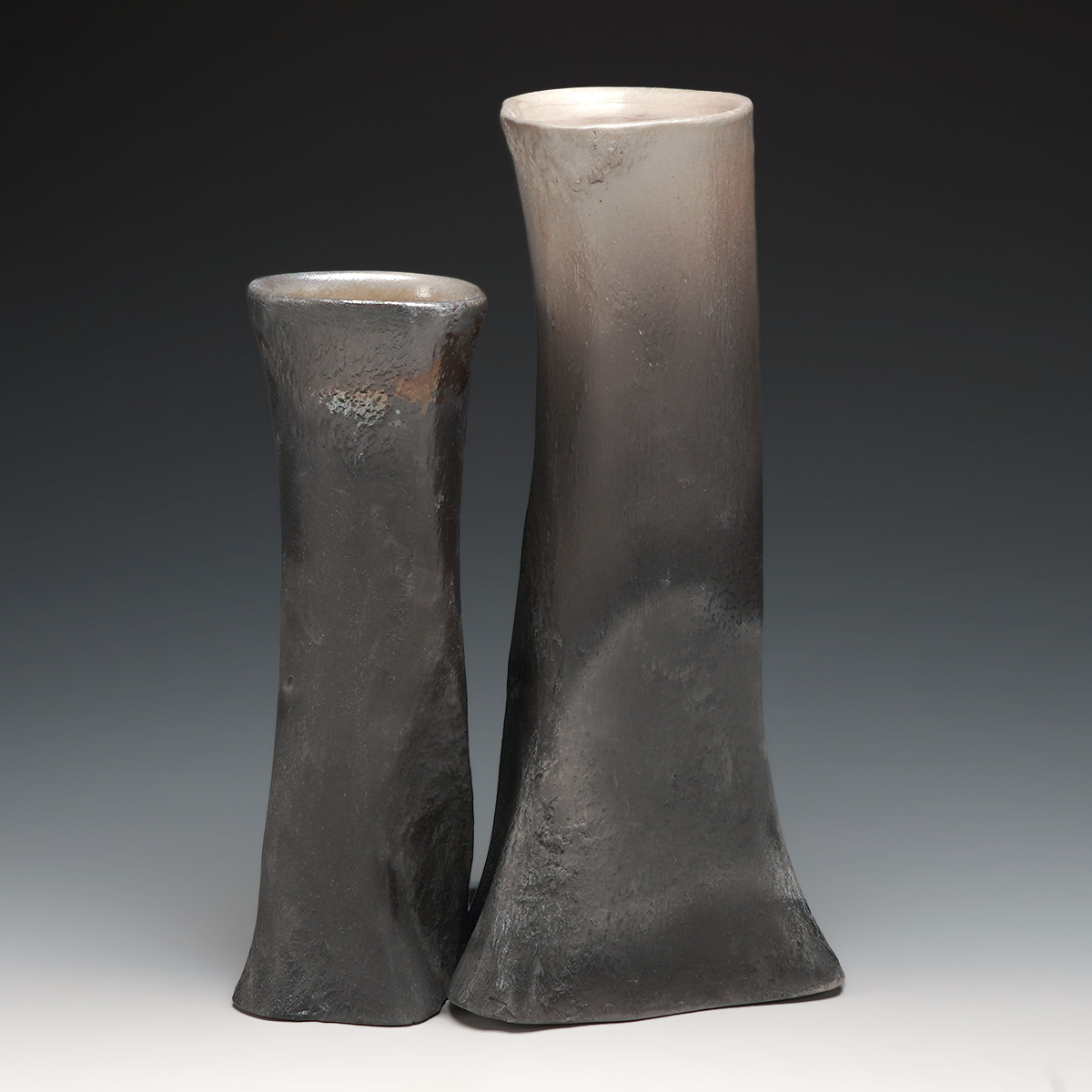
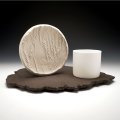
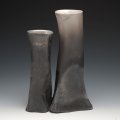
Through an ongoing material inquiry, I work with substances drawn directly from agricultural and culinary contexts—fired soils, field grains, and bone ash derived from kitchen waste—to produce ceramics that embody the ecosystems from which food emerges. Activated through use, these objects engage farming practices, animal husbandry, and food culture, positioning the table as a site where material, ecological, and aesthetic concerns converge.
Central to my practice is a long-term collaboration with chef Dan Barber, developed over more than a decade at Blue Hill at Stone Barns, where ceramics operate as a dynamic medium within the experience of eating. This selection of work for Clay as Place: The Transient Object emerges from that collaboration, tracing a sustained exploration of how material transformation can connect craft, agriculture, and the rituals of the table.