





Red Lodge Clay Center Short-Term Resident (AIA) 2015
John Zimmerman received his BFA in Ceramics from Bowling Green State University in Ohio and his MFA in Spatial Art from San Jose State University in California. His work has been exhibited nationally in over 150 solo, group, juried and invitational exhibitions. Additionally, Zimmerman’s artwork has been collected by public and private entities across the United States and in China.
Zimmerman is currently the Interim Chancellor and a Professor of Fine Art at The University of New Mexico-Gallup, where he has worked for the past 20 years.
His current creative focus is on the New Mexico Arts: Art in Public Places program intended to support communities’ access to public art and artists in the creation and sale of their work for permanent public viewing. In collaboration with this program, Zimmerman’s work has been installed throughout the state in multiple educational, governmental and public venues.
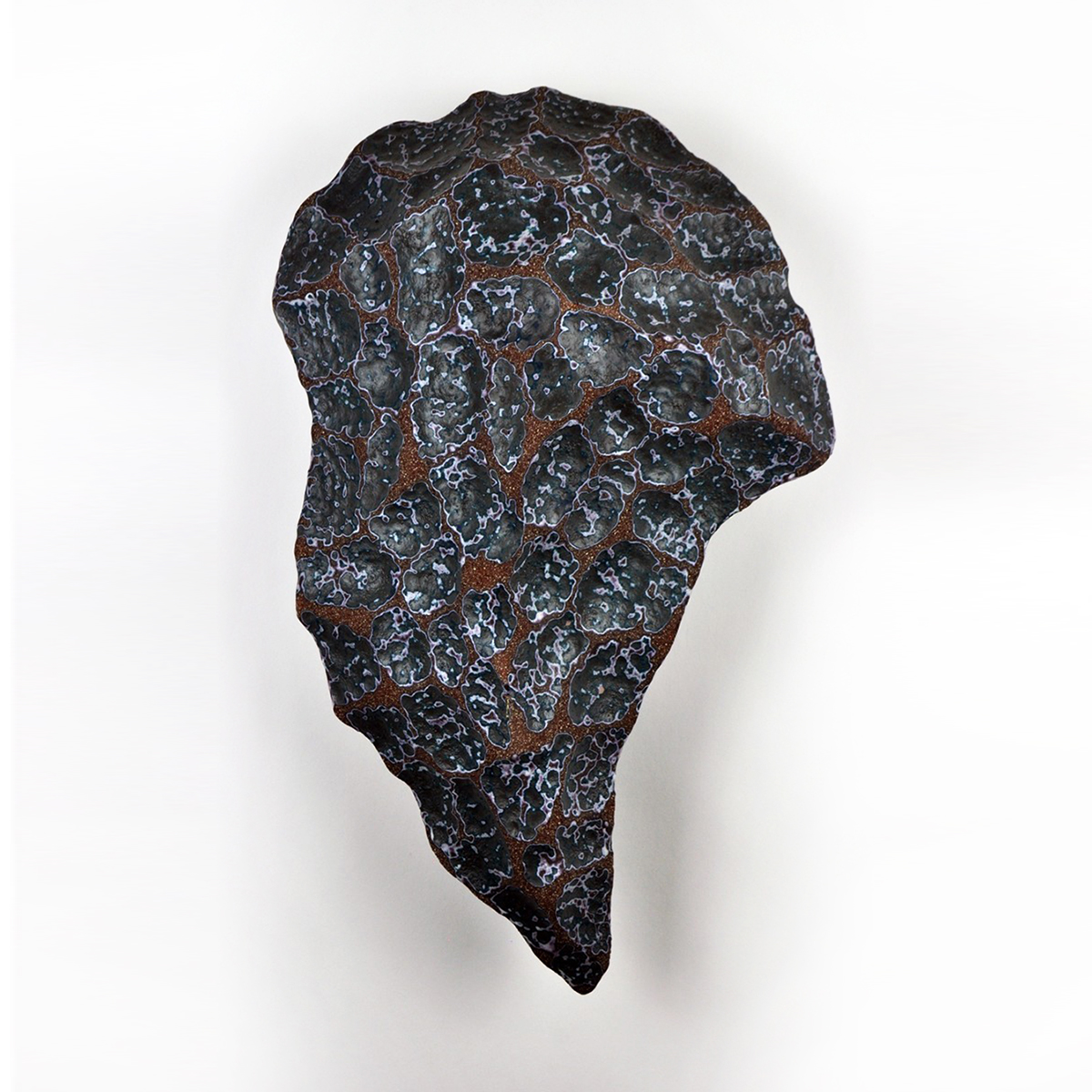
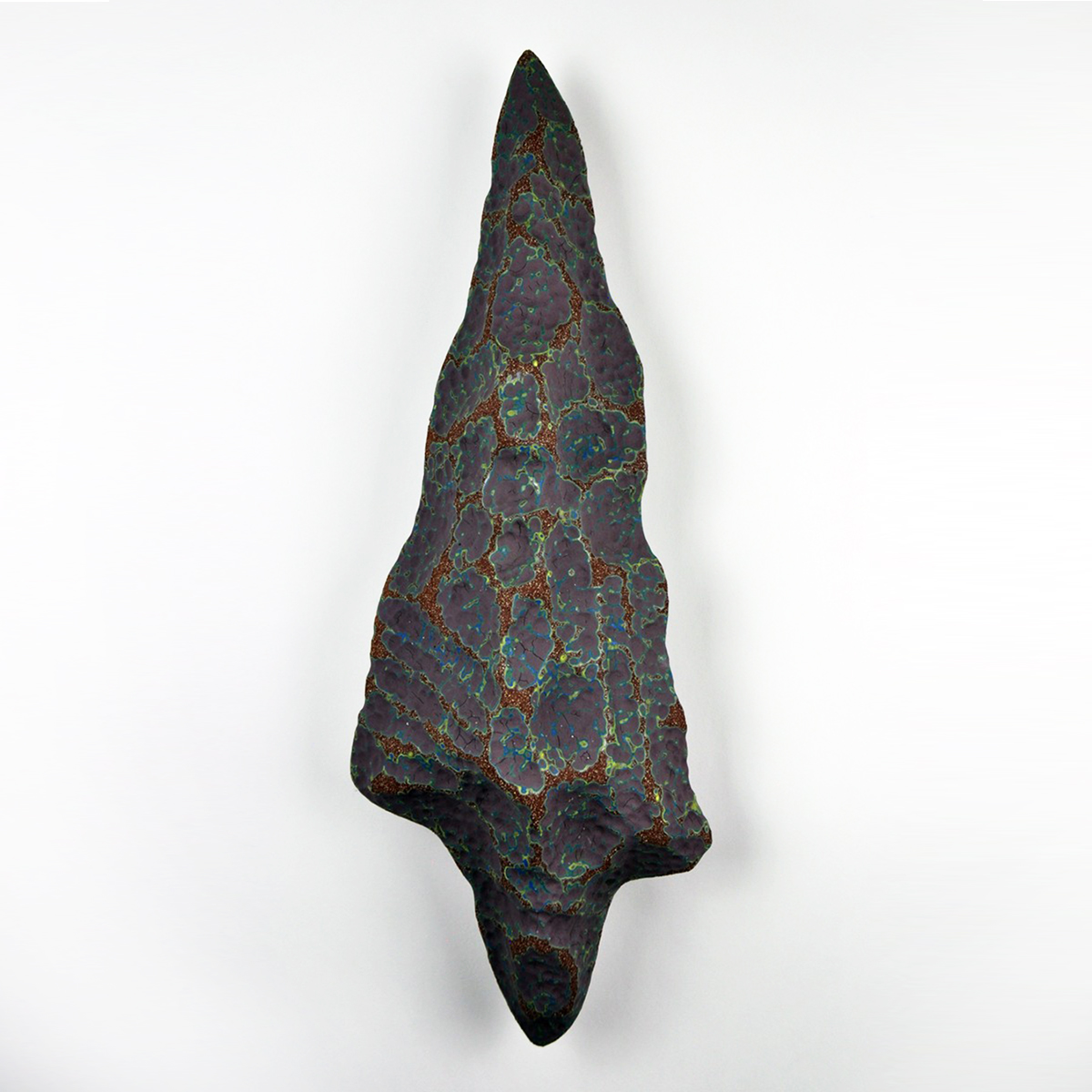
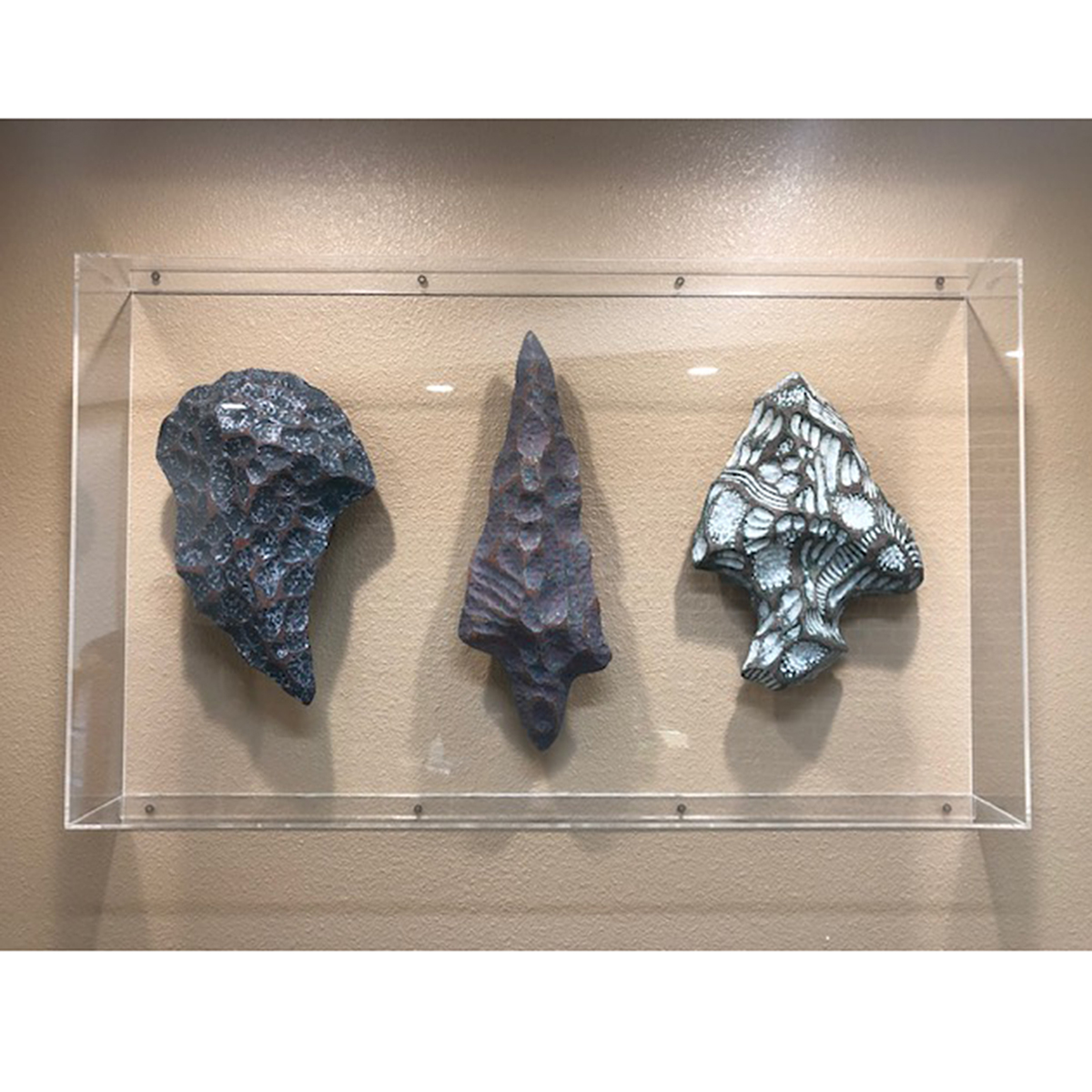
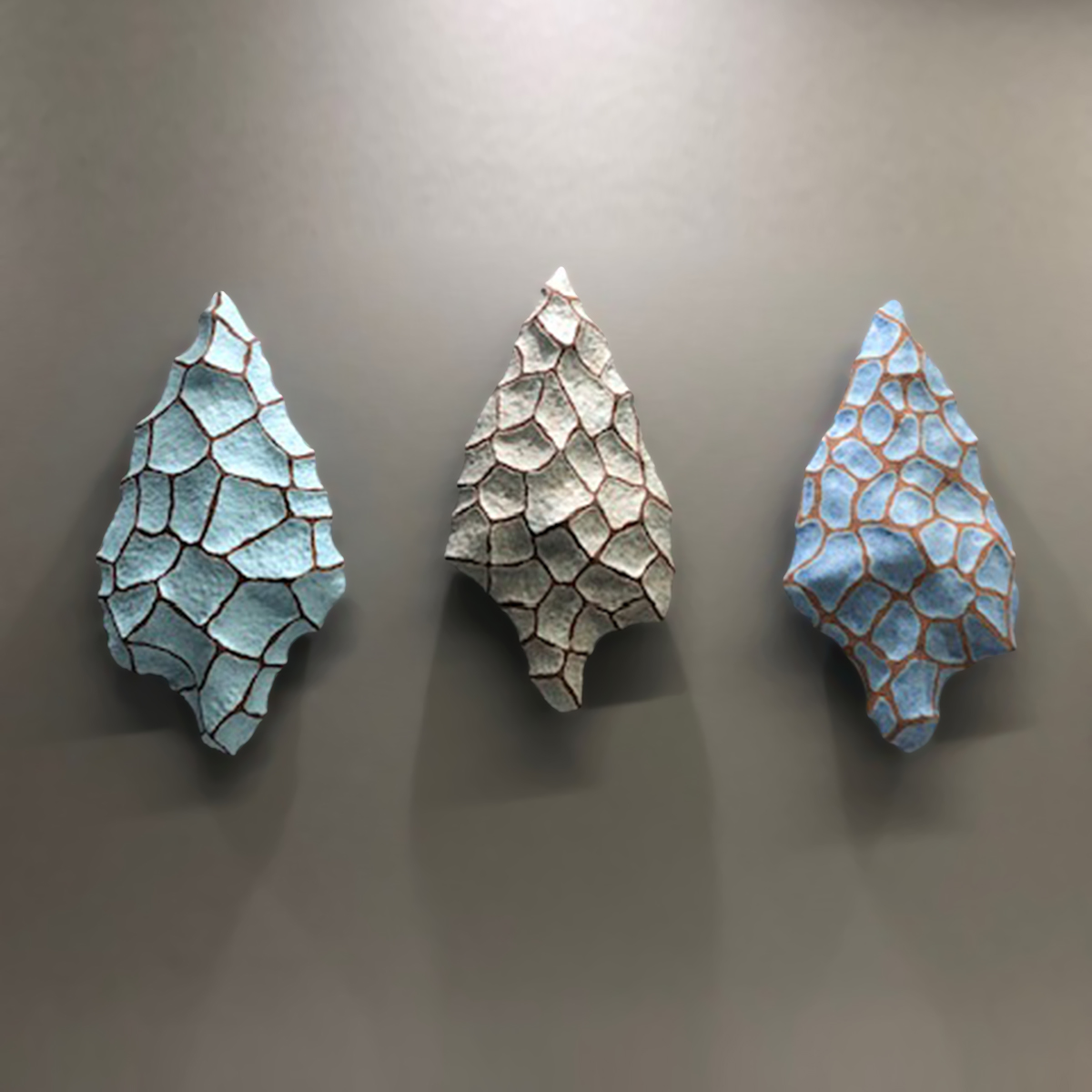
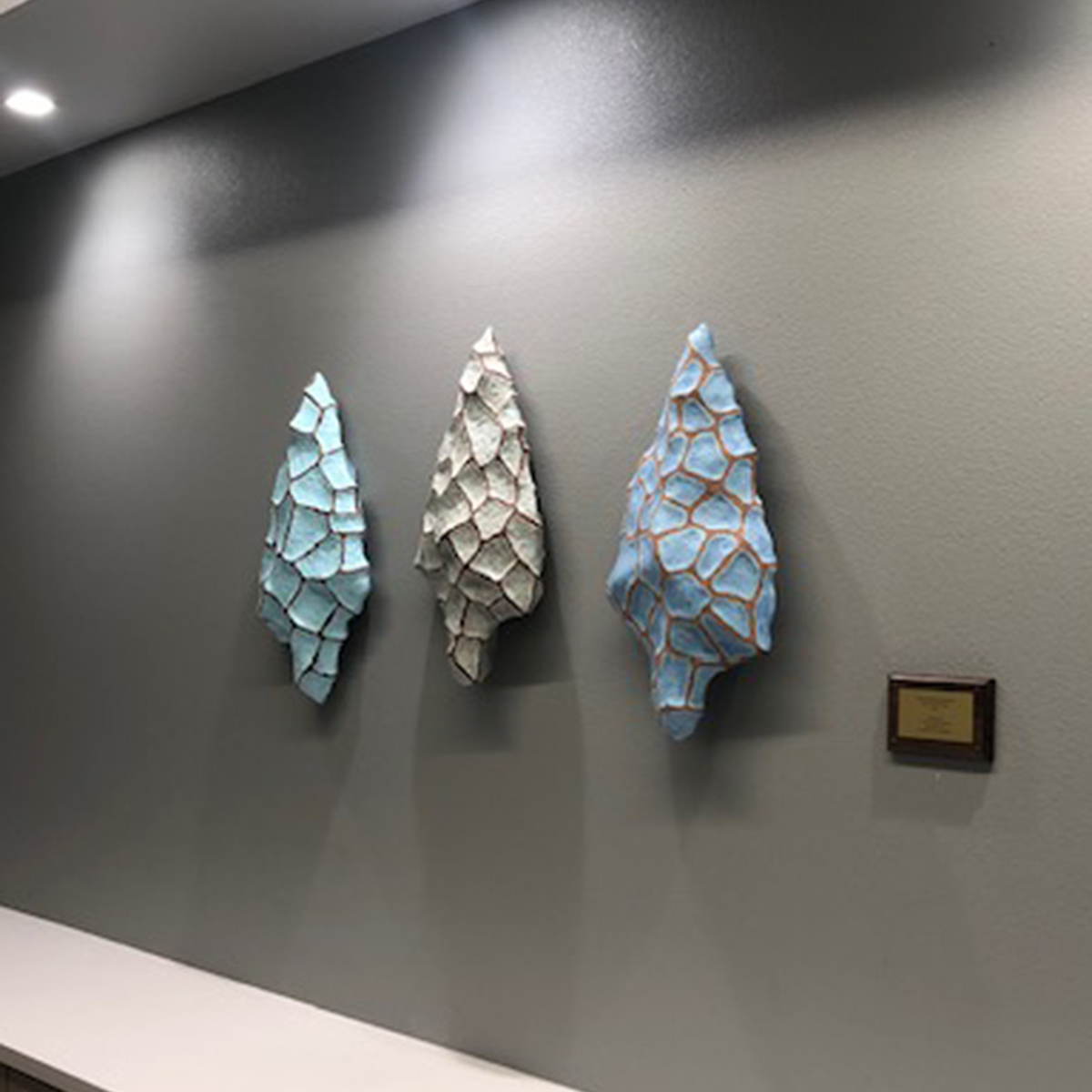
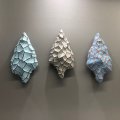
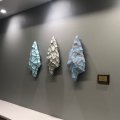
Stone tools (lithics) are some of the oldest surviving artifacts made by pre-humans and humans alike. They are direct evidence of humanity’s drive to make, evolve and survive. I am not attempting to re-create these pre-historic objects verbatim. My intent is to treat those original objects with respect, curiosity and to value their importance in relation to human evolution.
As a white man who lives and works amongst Indigenous communities, I am keenly aware of the issue of cultural appropriation and the sacred nature of arrowheads. Data suggests that the earliest stone tools could have been made over three-million years ago and the generally accepted time frame for the first settling of the Americas is approximately 20,000 years ago, potentially over a three-million-year difference. Having said that, I genuinely attempt to not copy existing lithics and focus on shapes and functions of my own design.
Clay is my chosen medium for both physical and conceptual reasons. On a physical level, clays’ versatility and tactile qualities allow the utilization and construction of nearly any texture or form. Conceptually, clay exists within a geologic time scale that represents billions of years of connected history, as it is literally the broken-down remnants of the earths crust.
This reality allows me to make connections between the deep past (geologic strata & knapped flint texture) and present day (pixelated color patterns) in a way that makes the use of clay not only logical, but vital. This contrast creates connections that span millions of years and brings attention to humanity’s common heritage, uncommon development and shared future in an increasingly technology driven world.